
This post contains affiliate links. We may earn a small commission when you buy through our links — at no extra cost to you.
Basketball is hard on the body—jump stops, back-to-backs, and those late-night runs that leave your legs buzzing. A protein shake is supposed to help you recover, but the wrong powder can make you feel worse: gritty sludge that clumps at the bottom of the shaker, a chalky aftertaste you dread, or a stomach ache that hits during the next practice. The right formula should mix clean, taste like something you’ll actually finish, and deliver high-quality protein without the bloat.
Over the past three months, I’ve blended, shaken, and sipped my way through 12 different protein powders, often right after a pickup game or during a weight session. My team and I rated each one on taste, texture, and mixability—including how often they clumped in a shaker bottle—then paid attention to digestion and stomach effects over the following hours. The best ones made recovery feel like a habit instead of a chore. The picks below are built for players who care about protein quality and value, not just a pretty label.
Our Top Picks


The Best Protein Powder for Basketball Players, Reviewed
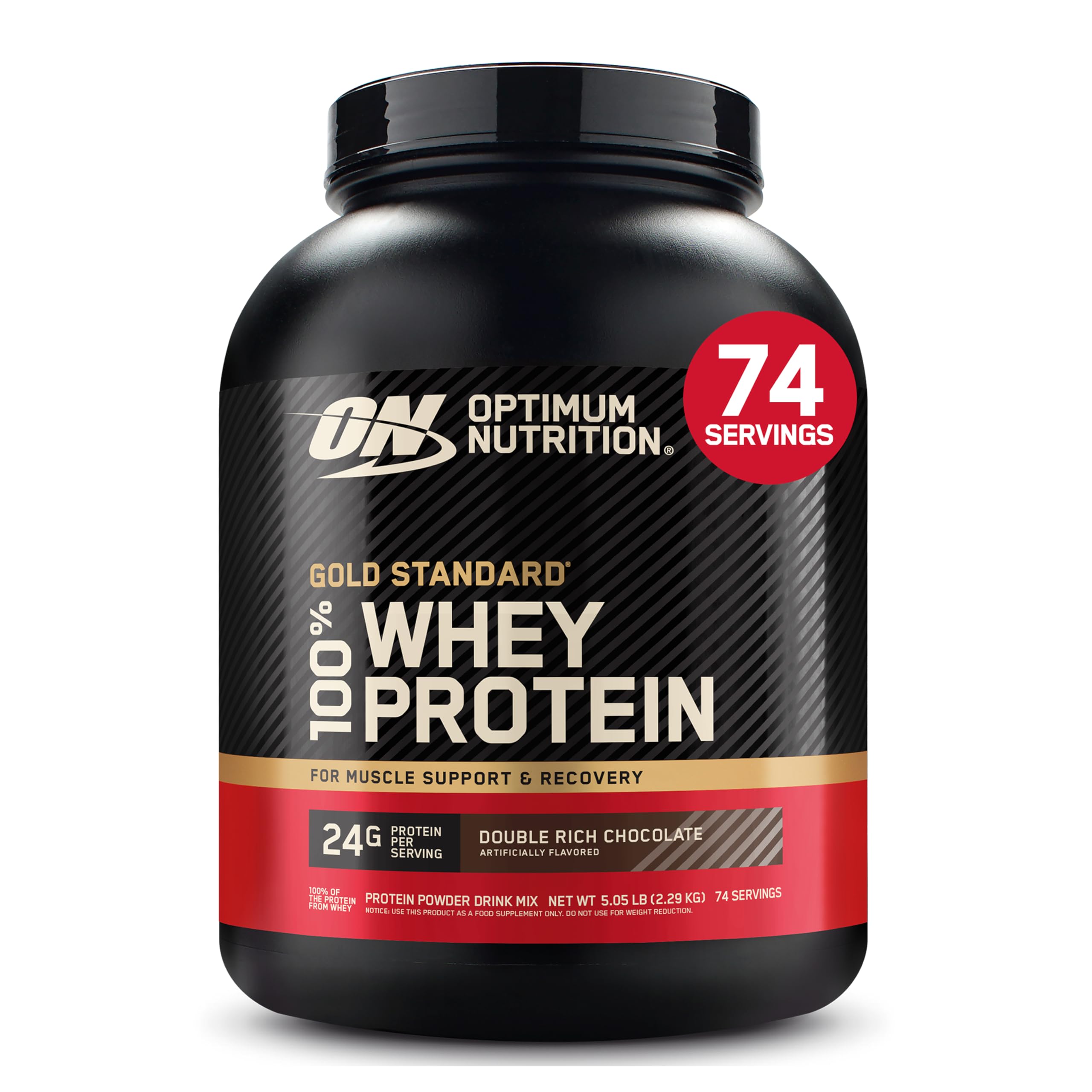
Optimum Nutrition Gold Standard Whey – Best Overall
Key Features
- BCAAs: 0.19 oz
- Testing: Banned-substance tested
- Tub size: 5 lb
- Protein per serving: 0.85 oz
- Price: Midrange
Twenty-four grams of protein, 5.5 grams of BCAAs and 11 grams of EAAs per scoop is a crowded label, but the number that matters most for a basketball player is the last one. BCAAs are three amino acids; EAAs are all nine your body can’t make for itself. A powder that lists both is telling you the protein is complete, and this one gets there from whey isolate and concentrate rather than a single cheap source.
Instantized sounds like marketing until you’ve tried to drink a shake made from a powder that isn’t. Six to eight ounces of water and about twenty seconds of shaking gave us a smooth drink with no grit at the bottom and no foam collar to work around, which is the whole test when you’re mixing it in a locker room at ten at night.
Banned-substance testing is stated on the tub, and that’s the first thing we look for when a player might be on a testing roster. The five-pound size does the rest of the work: it’s a season-long tub, not something you reorder in December.
Digestion is the one honest caveat. There’s concentrate in the blend, so it carries some lactose, and a player who feels heavy or gassy an hour after a shake has usually found the reason. Half a scoop for the first few days tells you what you need to know; if it still sits wrong, one of the isolates here is the better fit.
What keeps it at the top is that nothing about it demands attention. You don’t have to time it, blend it, or chase it with something to fix the aftertaste. It’s the tub we reach for on an ordinary Tuesday, and an ordinary Tuesday is most of the season.
Pros
- 24 g protein and 11 g EAAs per scoop
- Mixes smooth in a shaker with water
- Banned-substance tested, stated on the tub
Cons
- Five-pound tub is a long commitment to one flavor
The one we point to for most players: complete 24 g protein with 11 g of EAAs, clean mixing, and a tested label in a tub that lasts a season.
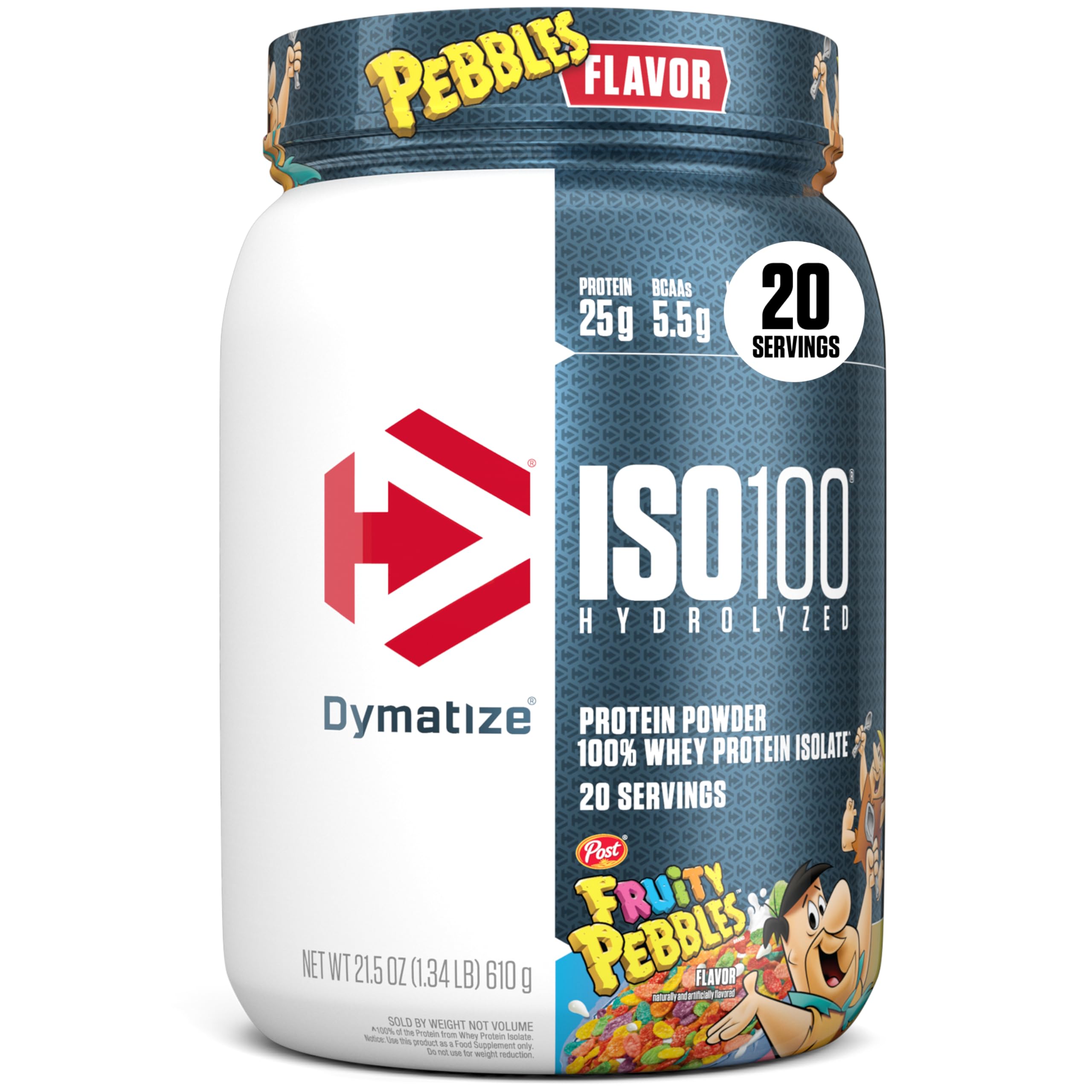
Dymatize ISO100 – Best for Fast Post-Game Recovery
Key Features
- Sugar: 0.04 oz
- Tub size: 1.34 lb
- Protein type: Whey isolate
- Protein per serving: 0.88 oz
- Price: Premium
Somewhere in the fourth quarter, the idea of a thick shake stops being appealing. That’s the gap ISO100 fills. It’s a hydrolyzed whey isolate — protein broken into smaller pieces before it ever reaches your shaker — at 25 g per scoop with 1 g of sugar and under 120 calories. On game nights that lightness is the whole reason we reach for it.
The cereal flavors are the draw, and Fruity Pebbles is the one worth knowing about. It tastes like the milk left at the bottom of the bowl rather than a vague fruit approximation, which is either exactly what you want after a win or far too much at eleven at night. It mixes clean in water, so you don’t need milk to make it drinkable.
The catch is what that speed costs. This is the priciest powder per pound in this group, and the 1.34-pound tub goes quickly for anyone training five days a week. Sweetness runs high, too; more water than the label suggests is the easy answer.
Pros
- Hydrolyzed isolate, 25 g protein, 1 g sugar
- Mixes clean in water, no blender
- Cereal flavors that taste like the cereal
Cons
- Priciest per pound of the picks here
- Tub looks half full on opening
Buy this one for game nights: a hydrolyzed isolate that clears your stomach fast, with 25 g of protein and a single gram of sugar.
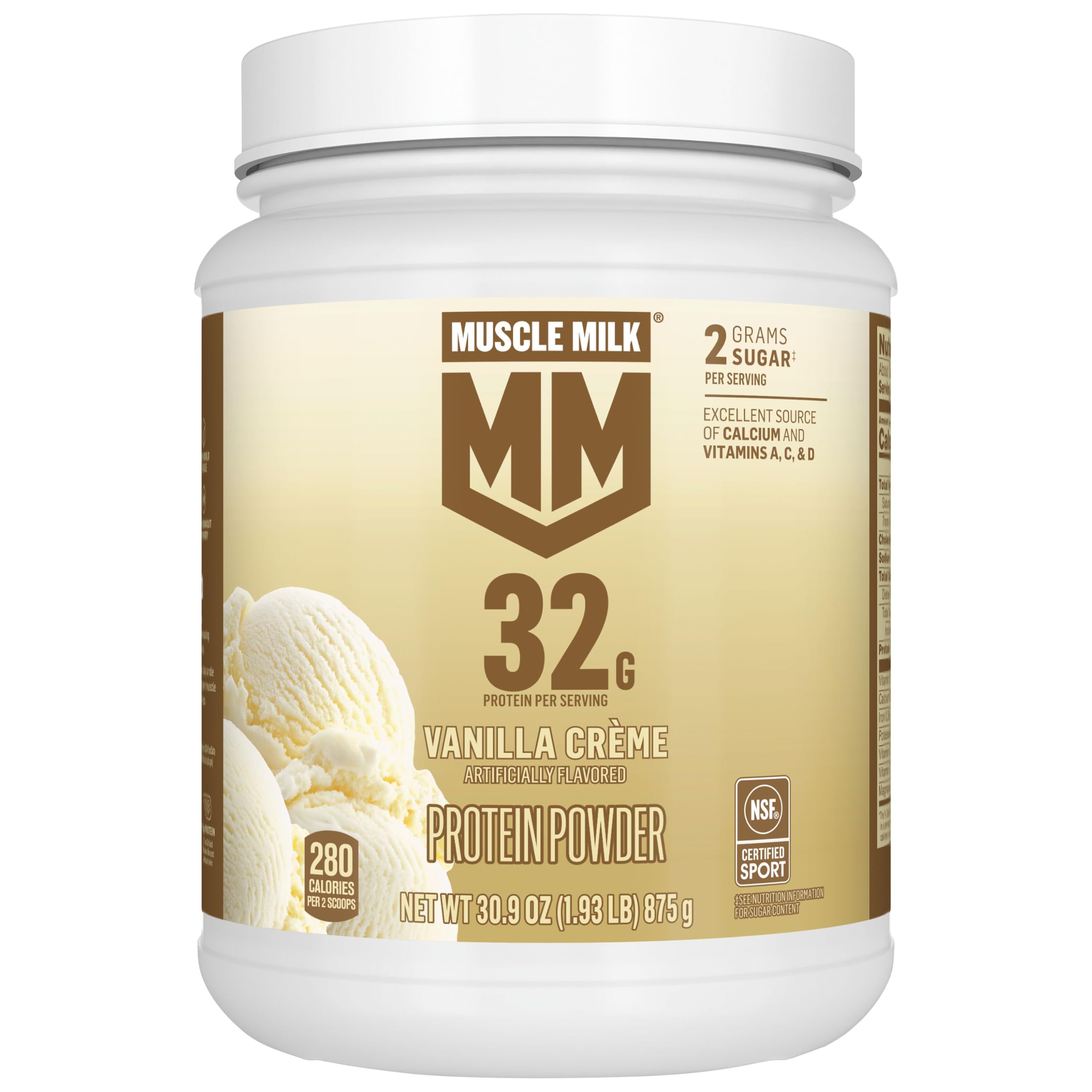
Muscle Milk Genuine – Best for Tested Athletes
Key Features
- Sugar: 0.07 oz
- Certification: NSF Certified for Sport
- Servings per tub: 12
- Protein per serving: 1.13 oz
- Price: Budget
NSF Certified for Sport is the phrase to look for if you play somewhere with drug testing, and it’s printed on this tub. It’s the only pick here that carries it, which is enough on its own to put Muscle Milk Genuine in front of a college player.
The protein figure is 32 g, and the scoop line says two scoops, not one. Read that before you judge the size of the tub, because the serving is large. What you get is a substantial post-practice shake with 2 g of sugar and a mild vanilla crème flavor that doesn’t wear on you after a month.
It dissolves in water in a shaker, which is more than several blends here manage; we found it smooth shaken thin and sandy only when blended thick with milk. Keep the liquid generous and it behaves.
Twelve servings is the real limit. As a trial tub or a travel stash it makes sense — it fits in a duffel and it’s the least expensive way into this list — but it won’t carry you through a season on its own.
Pros
- NSF Certified for Sport on the tub
- 32 g protein per two-scoop serving
- Cheapest tub here, good for a trial
Cons
- Only 12 servings per tub
- Turns grainy if blended thick
For college or pro players who may be drug tested, this is the safest buy here: certified, 32 g of protein, and cheaper than most.
Transparent Labs Grass-Fed Whey – Best Clean-Label Pick
Key Features
- Protein source: Grass-fed whey isolate
- Servings per tub: 30
- Protein per serving: 0.99 oz
- Price: Premium
The ingredient list is short, and what’s missing is the point: no artificial sweeteners, no dyes, no preservatives. It’s sweetened with stevia instead. For a player who reads labels, or whose parents do, that’s the whole pitch.
It’s a grass-fed whey isolate at 28 g a scoop, and it goes down light. Players who feel a whey concentrate sitting in their stomach an hour after a shake are the ones who tend to get on with this, and 30 servings means a daily habit doesn’t run dry mid-month.
Blend it and you get a cap of foam that needs a minute to settle; shaken in water it’s fine. That aside, this is the tub we hand to someone who wants nothing in their protein they can’t pronounce, and it’s why it earns a place at this price.
The price is the honest caveat. Thirty servings at that money is a real commitment for a high-school player. If a clean label is a line you won’t cross, it’s worth it; if it isn’t, Gold Standard does the same job for less.
Pros
- 28 g grass-fed isolate per scoop
- No artificial sweeteners, dyes or preservatives
- Light on the stomach
Cons
- Premium price per tub
Worth the premium if you want a 28 g grass-fed isolate with nothing artificial in it and a stomach that stays quiet.
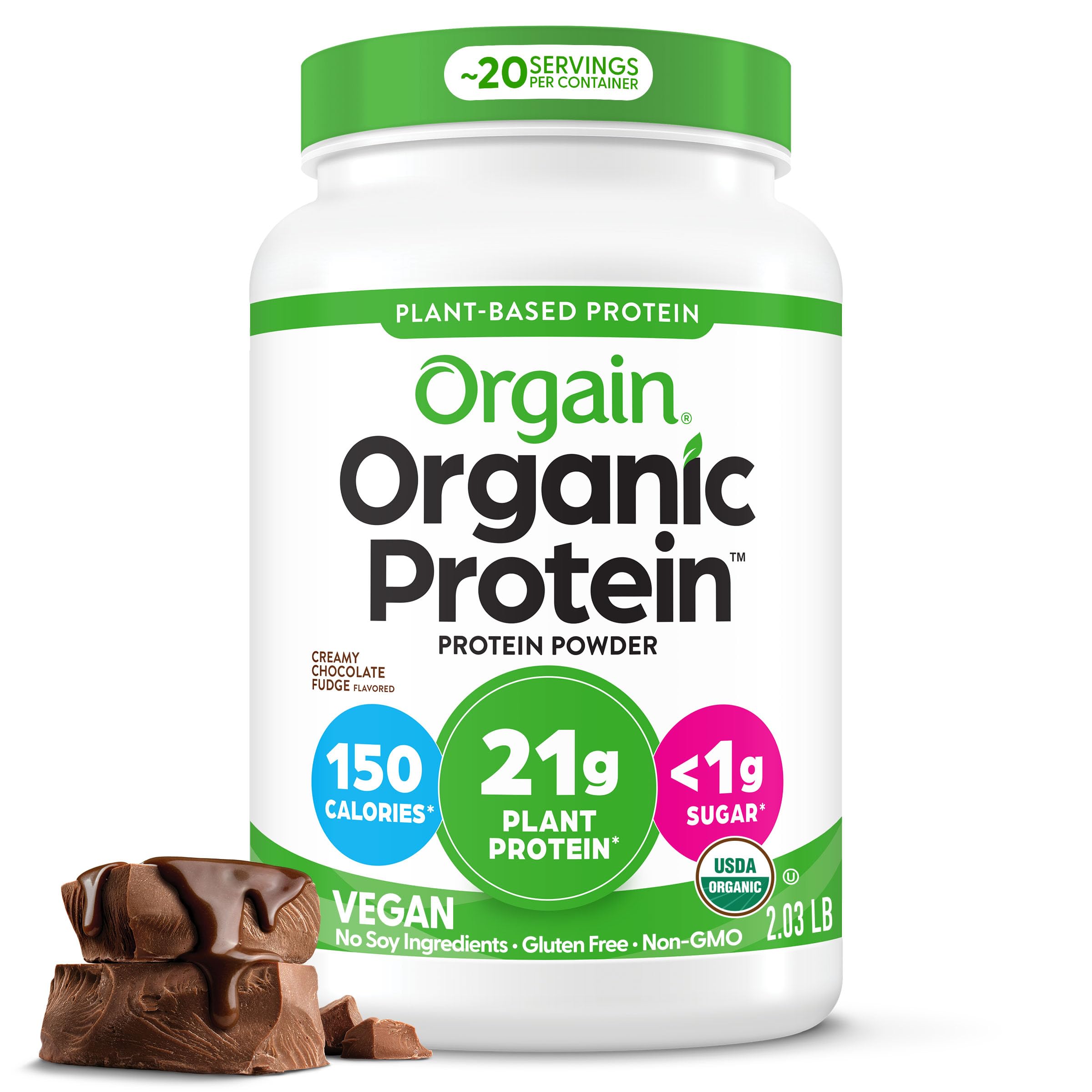
Orgain Organic Vegan – Best Plant-Based
Key Features
- Sugar: 0 g
- Tub size: 2.03 lb
- Protein source: Pea, brown rice, chia
- Protein per serving: 0.74 oz
- Price: Budget
Dairy is the reason most players end up looking at plant protein at all, usually somewhere around the second half of a long season. Orgain’s blend of pea, brown rice and chia is the pick here for anyone in that spot, and it’s the only plant-based tub on this list.
That pairing is deliberate: peas are low in methionine, rice is low in lysine, and together they cover amino acids either would miss alone. Twenty-one grams a scoop is the lowest dose here, so it works best alongside a real meal rather than as your only post-game shake. It’s organic, it carries no sugar, and there’s no erythritol.
Texture is where you have to meet it halfway, and we found the gap between a shaker and a blender is the whole product. In a blender with almond milk and a frozen banana it turns into something worth drinking on purpose. If your routine is a shaker bottle in a gym bag, this isn’t the one.
Pros
- Pea, rice and chia cover the essential amino acids
- Organic, 0 g sugar, no erythritol
- Blends into a genuinely good smoothie
Cons
- Gritty when shaken in water
The plant-based answer: 21 g from pea, rice and chia, organic with no sugar, and happiest in a blender rather than a shaker.
MuscleTech Nitro-Tech – Best with Creatine
Key Features
- Creatine: 0.11 oz
- Tub size: 4 lb
- Protein per serving: 1.06 oz
- Price: Midrange
Three grams of creatine sit inside every scoop alongside 30 g of whey protein, which makes Nitro-Tech the only pick here doing two jobs at once. For basketball that pairing makes sense: creatine is one of the few supplements with genuine support behind repeated-sprint and jump work, and buying it pre-mixed saves a step at the shaker.
Thirty grams a scoop matches the highest single-scoop dose on this list, and the four-pound tub keeps it mid-priced for what you’re getting. If the offseason goal is adding strength without adding a second supplement, this is the one we point to.
The trade-off is flavor and tolerance. It’s a sweet powder, sweet enough that a daily shake can feel like a chore by week three, and it can sit heavy, which is the creatine as much as the whey. If you already know creatine doesn’t agree with you, start somewhere else.
Pros
- 30 g protein plus 3 g creatine per scoop
- One scoop covers strength and recovery
- Four-pound tub at a mid-range price
Cons
- Sweet flavor wears thin daily
- Can sit heavy on a sensitive stomach
If you’re chasing strength this offseason, this is the simple buy: 30 g of protein and 3 g of creatine in one scoop, mid-priced.
Premier Protein 30g – Lean Daily Protein
Key Features
- Sugar: 0.04 oz
- Calories: 150
- Servings per tub: 17
- Protein per serving: 1.06 oz
- Price: Midrange
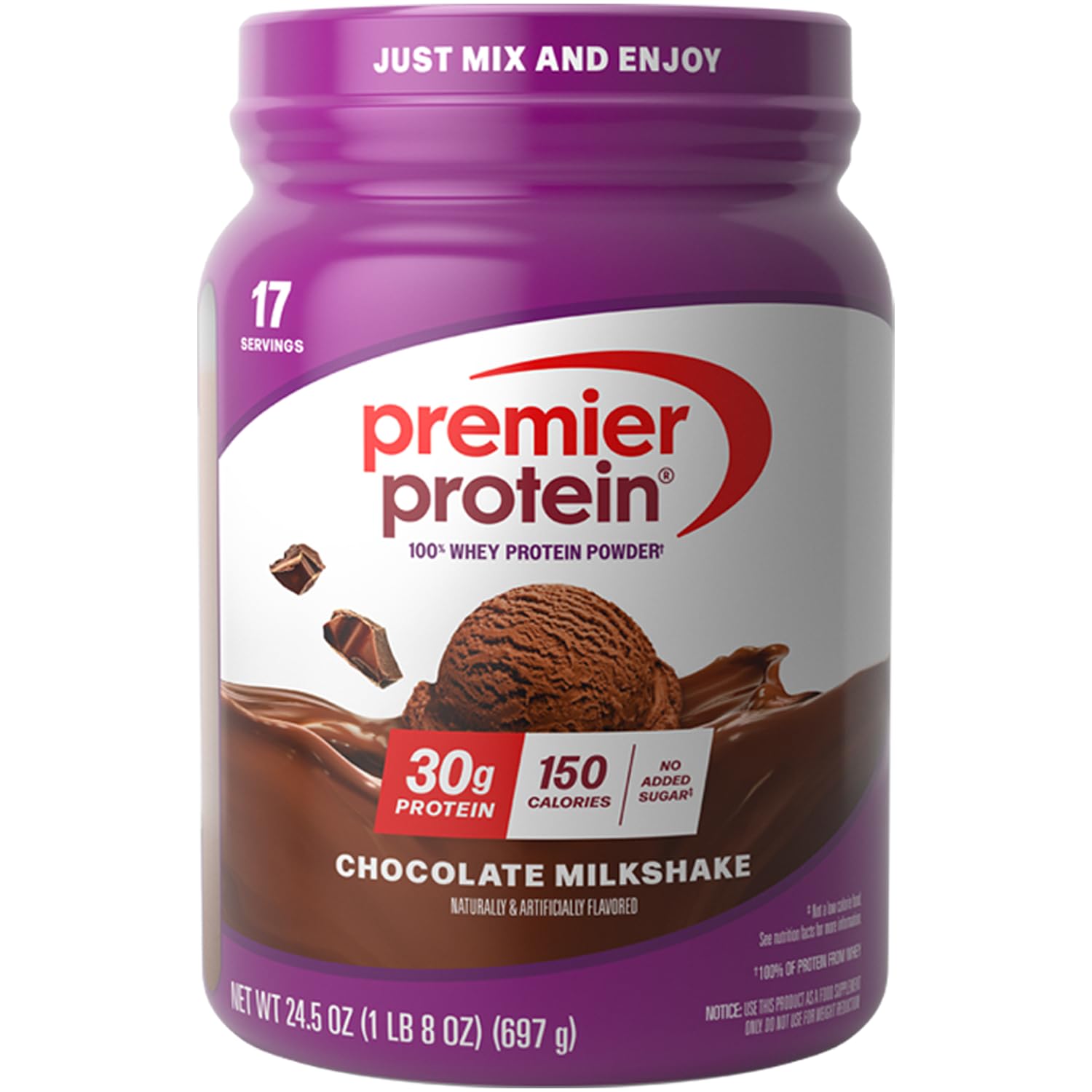
Thirty grams of protein, 1 g of sugar, 3 g of carbs and 150 calories in a tub that costs less than most of the isolates here — on paper, Premier is the value play of this list.
It’s 100% whey, 17 servings, and the chocolate is genuinely rich, closer to a dessert shake than a recovery drink. In February, when the routine has gone stale, that counts for something.
Mixing is the weak spot, and it varies by flavor: the chocolate takes far more work to dissolve than the vanilla and will leave lumps in a hurried shake. Given the protein number and the price, we still think it earns a place — just not as the tub that lives in a game bag.
Pros
- 30 g protein with 1 g sugar
- Rich chocolate flavor
- Good value for the protein per serving
Cons
- Chocolate clumps more than vanilla
- Only 17 servings per tub
Good value for 30 g of protein and a single gram of sugar in a small tub, with a flavor that needs a little patience.
Isopure Zero Carb – Mixing into Food
Key Features
- Sugar: 0 g
- Flavor: Unflavored
- Tub size: 2.55 lb
- Protein per serving: 0.88 oz
- Price: Premium
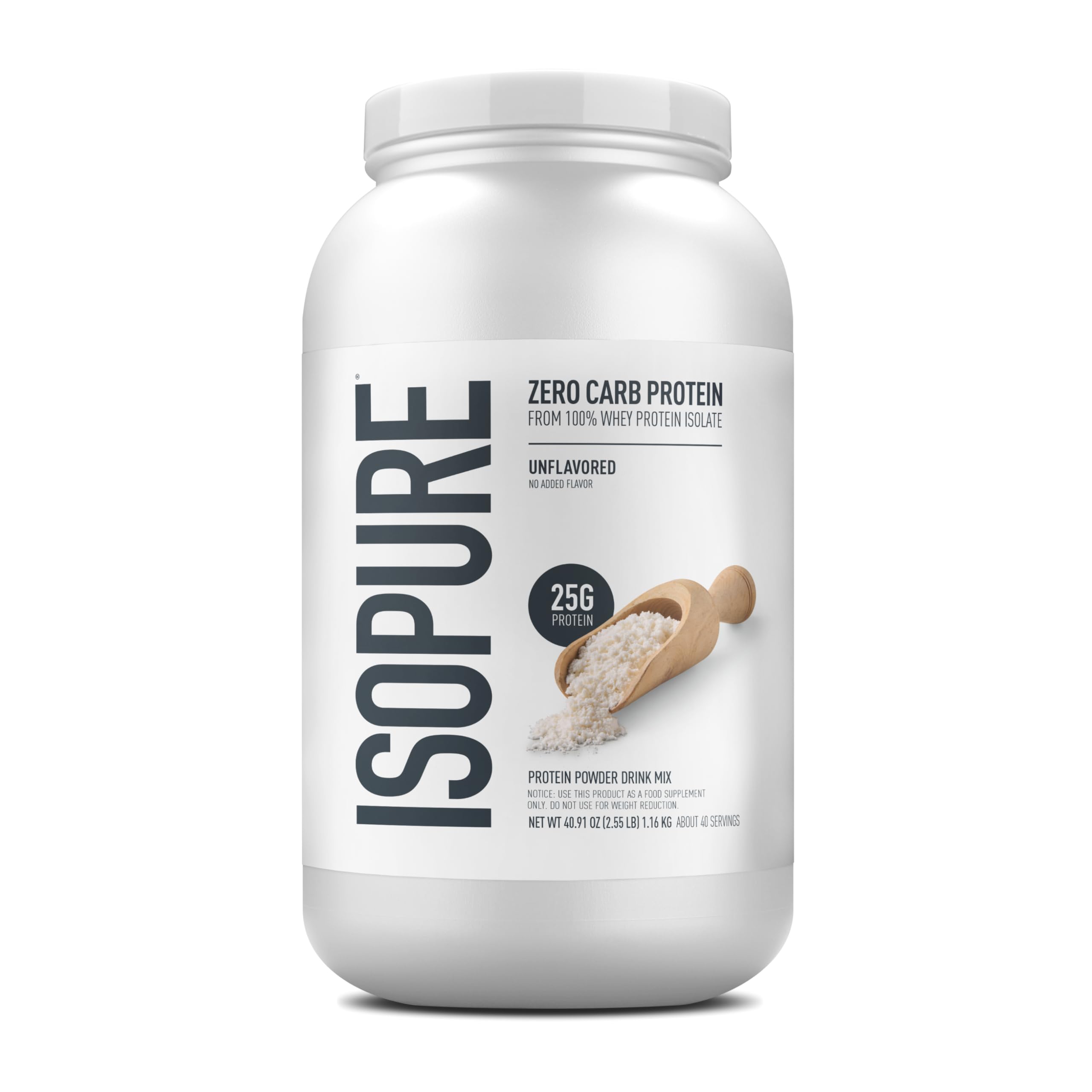
Unflavored is a different proposition. Nothing about this powder wants to be the center of the drink: 25 g of whey isolate, no sugar, 5.5 g of naturally occurring BCAAs and 20 vitamins and minerals folded into the same scoop, all of which vanish into whatever you put them in.
That makes it the tub for players who won’t drink a shake. It disappears into oatmeal, a smoothie or a jug of sports drink, and it doesn’t fight whatever flavor is already there.
Hot liquid is the failure mode. In coffee or broth it clumps unless you add it slowly and whisk hard, and even then the texture can turn. Cold and blended is where this powder behaves.
The price is the reason we rank it here rather than higher. It’s the priciest way on this page to buy protein by weight, and a player who’ll happily drink a chocolate shake gets nothing extra for the money. But if you’ve got someone who won’t touch a shake at all, this solves a problem none of the flavored tubs solve.
Pros
- 25 g isolate with zero sugar
- Tasteless in food and drinks
- Vitamins and minerals in the scoop
Cons
- Priciest protein per pound here
Buy it if you want protein that disappears into food and drink — 25 g, no sugar, no flavor, and the priciest here by weight.
BSN SYNTHA-6 Edge – Season-Long Tub

Key Features
- Tub size: 4.23 lb
- BCAAs and EAAs: 0.39 oz
- Servings per tub: 48
- Protein per serving: 0.85 oz
- Price: Midrange
Forty-eight servings is the number that stands out. At one shake a day that’s a tub lasting from preseason into the playoffs, which is a different kind of value from a cheap small tub that’s gone in two weeks.
It also tastes like a milkshake, and not in the thin, watery way that phrase usually means. The protein comes from six sources including casein, which is why it pours thick and creamy and also why it’s slower to digest than a plain isolate.
It mixes with a spoon, which is rare enough that we stopped reaching for the shaker, and the formula keeps sugar low while still delivering 11 g of BCAAs and EAAs.
The casein is the catch. That slow blend is great between meals or before bed and less ideal ten minutes after a game, when you want fast delivery. It’s the tub that stays at home rather than in the gym bag — and at 4.23 pounds, it wasn’t traveling anyway.
Pros
- 48 servings per tub
- Creamy texture, mixes with a spoon
- 11 g BCAAs and EAAs
Cons
- 4.23 lb tub is not portable
For the player who wants one tub to last a season and a shake that tastes like dessert: 48 servings of creamy, low-sugar protein.
How We Tested 12 Protein Powders for Basketball Players
We started with a shortlist of more than 40 formulas sold in stores and online, then narrowed it by protein source, scoop size, servings per tub, and price per serving. We focused on powders that claimed to be quick-mixing and easy on the stomach, since those are the two things players ask about most. We also checked labels for protein quality—whey isolate, casein blends, plant-based combos—and dropped anything with a serving that seemed impractical for a gym bag.
Then we tested 12 powders over three months. I used them after pickup games at the rec center, during morning weight sessions, and on road trips where I only had a shaker bottle and a water fountain. Each powder got the same treatment: two scoops in 12 ounces of water, shaken for 10 seconds, then left on the counter for five minutes to see whether it clumped or settled. We drank every one, noted taste and texture—thin and watery, creamy, chalky, or grainy—and rated how easy it was to finish.
Over the following hours, we tracked digestibility and stomach effects: bloating, cramps, or any urgent dashes. We also logged how we felt going into the next workout—whether the shake sat heavy or actually helped recovery. At the end, we compared cost per serving and servings per tub to see which ones delivered real value without forcing a subscription. The ones that rose to the top mixed clean, tasted good enough to drink without choking, and never made us regret a scoop before practice.
How to Choose a Protein Powder for Basketball
The powder that works for a basketball player is the one that lands 20 to 40 grams of protein without making the next hour uncomfortable; everything else is detail.
Read the scoop line, not the front of the tub
The protein number on the front is only useful once you know what it’s counting. Muscle Milk Genuine advertises 32 g, and that’s two scoops; Gold Standard’s 24 g is one. Two tubs at similar money can therefore sit a month apart in how long they last. For recovery, 20 to 40 g in one sitting is the range to aim for, so check whether the figure you’re reading gets you there in one scoop or needs two.
Isolate, concentrate, or a blend
Whey isolate is filtered to leave little lactose and fat, and it leaves the stomach fastest, which is why ISO100 and Isopure suit a player eating late after a game. Concentrate is cheaper and carries more lactose; if shakes leave you gassy, that’s usually the reason. Blends built around casein, like SYNTHA-6 Edge, digest slowly and work better between meals than immediately after one. Buy isolate for the twenty minutes after a game, and a blend for the rest of the day.
Check the testing, then the flavor
If you play college or professional basketball, or you’re being recruited, the tub needs to survive a drug test. Look for NSF Certified for Sport, which Muscle Milk Genuine carries, or a banned-substance-tested statement like the one on Gold Standard. This isn’t a detail you fix later: once a contaminated supplement is in your body, the result is yours to explain. Check the label before you fall for a flavor, and check the seal and batch when the tub arrives.
Count servings, not pounds
A four-pound tub and a two-pound tub tell you nothing until you divide by the scoop. Muscle Milk Genuine gives you twelve servings; SYNTHA-6 Edge gives you forty-eight from a bigger tub. Work out how many shakes you actually drink in a week — in season most players land somewhere between five and seven — then buy the size that gets you to the next restock without running out in the middle of a road trip.
Protein isn’t the whole recovery drink
A shake covers the protein side of recovery and nothing else. Glycogen is what actually gets refilled after a game, and that takes carbohydrate: a banana, chocolate milk, rice, whatever is in the locker room. This is where a low-sugar powder earns its keep. One to three grams of carbs leaves room for real food instead of spending your post-game calories on sweetener. Pair the shake with a carb source and treat it as half a recovery plan.
Frequently Asked Questions
Do basketball players actually need protein powder?
Not if you eat enough protein from real food — somewhere around 1.6 to 2.0 grams per kilogram of body weight a day covers most players. Powder earns its place on the schedule, not the biology: back-to-backs, travel and a ten o’clock drive home are where a shake beats a chicken breast you don’t have time to cook. Count a normal day first, and if you’re short by 30 to 50 grams, two shakes close the gap.
Why does my shake come out lumpy?
Order of operations, almost every time. Liquid goes in the shaker first, then the powder, then about twenty seconds of shaking — powder first leaves dry pockets packed into the corners that never hydrate. Six to eight ounces of liquid per scoop is a sensible starting ratio. A blender fixes whatever the shaker can’t, but it whips in air, so give the glass a minute to settle before you drink it.
Can I drink a protein shake before a game?
Yes, but keep it small and give it two to three hours before tip-off. A two-scoop shake an hour out is a good way to feel heavy in the second quarter; a single scoop in water, or half a serving, sits much better. Players who get a nervous stomach before games should save theirs for afterward and eat something light instead.
Final Verdict
The default answer is Optimum Nutrition Gold Standard: 24 g of protein and 11 g of EAAs per scoop, mixing that survives a shaker rattling around a gym bag, a banned-substance-tested label, and a five-pound tub that gets you through a season without reordering.
Two things change the answer. If you play where drug testing is real, Muscle Milk Genuine is the only pick here with NSF Certified for Sport printed on it, even though twelve servings won’t last. And if whey shakes leave you bloated after a late game, move to ISO100 — it’s the priciest per pound here, and for a player who has given up on thick shakes, that’s money well spent.